


The Hidden Work That Makes Your Favorite Events Seamless
Every time you attend a flawless event, it’s easy to focus on the excitement, the décor, or the entertainment. What often goes unnoticed is the months of invisible work behind the scenes that make everything run smoothly. From venue inspections to contingency planning, the success of any event depends on careful preparation and coordination. This post takes you inside the complex world of event production, showing why guests should never see the chaos behind the perfect execution.

Venue Inspections: The Foundation of Success
Before any event can take shape, the venue must be thoroughly inspected. This step is critical for understanding the space’s potential and limitations. Event planners walk through every corner, noting:
Electrical outlets and power sources
Load-bearing capacities for stages and equipment
Accessibility for guests and suppliers
Emergency exits and safety features
For example, during a luxury event planning project for a high-profile gala, the team discovered that the main ballroom’s floor could not support heavy stage equipment. This insight led to redesigning the stage layout early, avoiding costly last-minute changes.
Venue inspections also help identify logistical challenges, such as narrow hallways or limited loading docks, which affect how suppliers deliver and set up their materials. This early knowledge allows event logistics teams to create detailed plans that keep everything on schedule.
Managing Suppliers: Building Reliable Partnerships
Event production depends on a network of suppliers, including caterers, decorators, audio-visual technicians, and security teams. Managing these relationships requires clear communication and trust.
Planners often hold regular meetings with suppliers to:
Confirm timelines and deliverables
Align on quality standards
Coordinate arrival and setup times
For instance, a luxury event planning company working on a multi-day conference might schedule daily check-ins with catering and AV teams to ensure smooth transitions between sessions. This level of coordination prevents delays and ensures every element meets expectations.
Supplier management also involves contingency planning. If a key supplier faces unexpected issues, event teams must have backup options ready. This might mean having a secondary caterer on call or extra equipment available to replace faulty gear.
Construction and Setup: Turning Plans into Reality
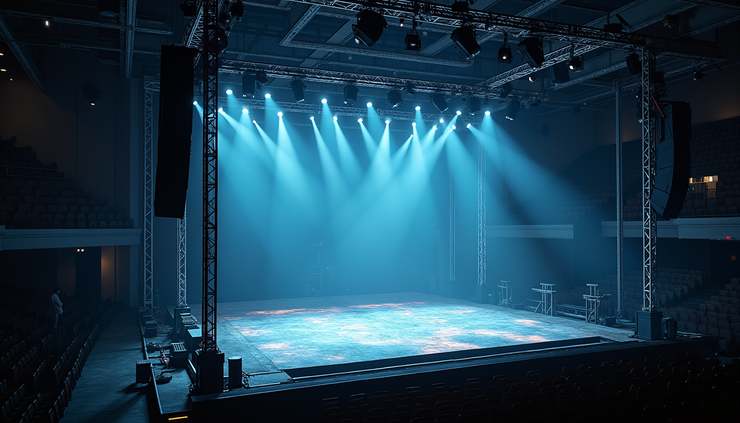
Once the venue and suppliers are confirmed, the physical transformation begins. Construction teams build stages, install lighting rigs, and set up décor according to detailed blueprints. This phase requires precise timing and coordination.
Production schedules break down every task by hour, often starting days before the event. For example:
Day 1: Stage construction and lighting installation
Day 2: Audio-visual equipment setup and testing
Day 3: Final décor placement and rehearsals
During a recent luxury event planning project for a product launch, the team faced a tight deadline. They used a staggered schedule where different crews worked simultaneously in separate areas, cutting setup time by 30%. This approach demands strong leadership and clear communication to avoid conflicts and ensure safety.
Production Schedules: Keeping Everything on Track
A detailed production schedule is the backbone of event logistics. It outlines every activity, from supplier arrivals to guest registration, with precise timing. This schedule helps teams anticipate bottlenecks and adjust quickly.
For example, during a luxury wedding, the schedule might include:
8:00 AM: Floral arrangements delivered and set up
10:00 AM: Soundcheck for musicians
12:00 PM: Catering team begins food preparation
3:00 PM: Final walkthrough before guest arrival
Event coordinators use these schedules to communicate with all parties, ensuring everyone knows their responsibilities and deadlines. Digital tools and apps often support real-time updates, allowing teams to respond to unexpected changes instantly.
Contingency Planning: Preparing for the Unexpected
No matter how well planned, events can face surprises such as weather changes, technical failures, or supplier delays. Contingency planning prepares teams to handle these challenges without disrupting the guest experience.
For example, outdoor luxury event planning always includes backup plans for rain, such as tents or alternate indoor spaces. Technical teams keep spare equipment ready to replace malfunctioning devices quickly.
A recent conference faced a last-minute power outage. Thanks to contingency plans, the event team switched to backup generators within minutes, keeping presentations on schedule and guests unaware of the issue.
Why Guests Should Never Notice the Complexity
The goal of all this behind-the-scenes work is to create an experience where guests focus only on the event itself. When event production and logistics are done well, the complexity disappears. Guests enjoy seamless transitions, clear signage, timely service, and a comfortable environment.
This invisible work builds trust and reputation for event planners and venues. It shows that great events are not just about creativity but also about precision, communication, and problem-solving.


Comments