


Unlocking Success: The Importance of Local Expertise for Luxury Brands in Asia
Luxury brands entering or expanding in Asia face a unique challenge. The region’s diversity in culture, regulations, and consumer behavior demands more than a global strategy. Success depends on local expertise that understands the nuances of each market. This post explores why global luxury brands must work closely with local suppliers, navigate government rules, know the best venues, and build trusted regional networks to create impactful campaigns.
Why Local Suppliers Matter
Luxury campaigns rely heavily on quality and authenticity. Local suppliers bring several advantages:
Cultural authenticity: Local artisans and vendors understand traditional craftsmanship and aesthetics that resonate with Asian consumers.
Faster turnaround: Working with nearby suppliers reduces shipping delays and customs complications.
Cost efficiency: Local sourcing often lowers costs without compromising quality.
Sustainability: Using local materials and labor supports regional economies and reduces environmental impact.
For example, a luxury watch brand launching in Japan partnered with local craftsmen for packaging design. This collaboration created a product that felt genuinely Japanese, boosting customer connection and sales.
Navigating Government Regulations
Asia’s regulatory landscape varies widely by country and even by city. Luxury brands must comply with:
Import/export rules
Advertising restrictions
Event permits and licenses
Taxation and customs duties
Local experts help brands avoid costly fines and delays by guiding them through these complex rules. For instance, in China, government approval is required for many luxury events. A local partner familiar with these processes can secure permits quickly, ensuring the campaign launches on time.
Venue Knowledge Enhances Experience
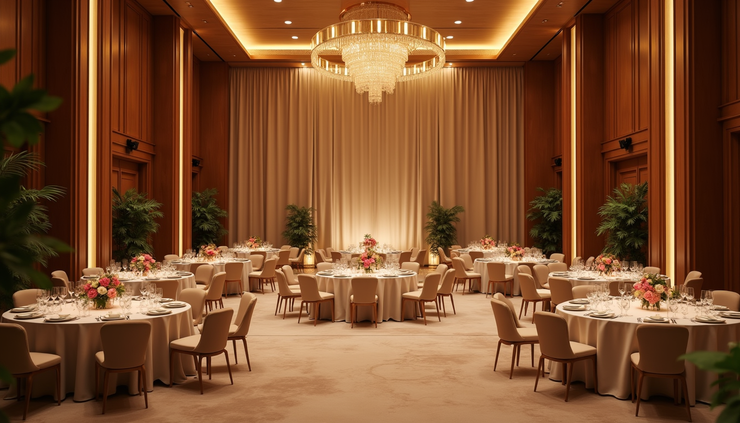
Choosing the right venue is crucial for luxury events. Local experts know which locations offer the best:
Ambiance and prestige
Accessibility for VIP guests
Facilities that meet luxury standards
Hidden gems that create memorable experiences
In Singapore, a luxury fashion brand worked with a local event planner who recommended a historic mansion rather than a typical hotel ballroom. This choice elevated the event’s exclusivity and impressed attendees.

Building Trusted Regional Networks
Success in Asia depends on relationships. Local experts bring established networks of:
Influencers and media contacts
Event vendors and service providers
Government officials and industry insiders
Customer communities and brand advocates
These connections open doors and create opportunities that global teams alone cannot access. For example, a luxury car brand entering South Korea partnered with a local marketing agency that introduced them to key influencers and exclusive clubs, accelerating brand awareness.
The Role of Local Marketing Asia
Local marketing strategies tailored to Asian markets are essential. This means:
Using culturally relevant messaging and visuals
Timing campaigns around local holidays and festivals
Leveraging popular regional platforms and channels
Engaging consumers with localized experiences
Brands that ignore these factors risk appearing out of touch or generic. Hashtag Today and Luxury Event Asia often highlight campaigns that succeed because they embrace local marketing insights.

Conclusion
Global luxury brands cannot rely solely on their international reputation to succeed in Asia. Local expertise is essential for navigating cultural differences, regulations, supplier networks, and venue choices. Collaborating with trusted local partners helps brands create authentic, compliant, and memorable campaigns that resonate deeply with Asian consumers.
Brands aiming for success should invest in local knowledge and relationships. This approach not only improves campaign outcomes but also builds a foundation for long-term growth in one of the world’s most dynamic luxury markets.


Comments